Buyers are asking, “At this monthly payment, shouldn’t I be getting more?”
Sellers are asking, “Why would I discount a home I don’t need to sell?”
That tension helps explain why real estate negotiations in Boston’s Back Bay and South End can feel contentious before either side has even made a counteroffer.
The interesting part is that neither side is necessarily being unreasonable. Buyers and sellers are simply looking at the same property through very different lenses.
For buyers and sellers, understanding that disconnect—and what actually determines value—can make the difference between a productive negotiation and a missed opportunity.
Why Are Boston Buyers and Sellers So Far Apart on Price?
Buyers are increasingly focused on the total cost of owning a home, not simply its asking price.
A buyer considering a Back Bay or South End condo is calculating the mortgage payment, property taxes, condo fees, insurance and potentially the cost of improvements after closing.
When those costs stretch a buyer's budget, expectations naturally rise.
A dated kitchen becomes more than a cosmetic issue. Deferred maintenance represents another future expense. High condo fees can materially change the monthly payment. A home that photographs beautifully but feels tired in person may leave a buyer questioning whether the asking price reflects its condition.
Sellers may be looking at the situation very differently.
An owner with substantial equity, a low mortgage rate and no urgent need to move may have considerable flexibility. Depending on the property and building rules, renting the home may even be an alternative to selling.
That creates the disconnect:
Buyers may feel that today's cost of ownership should result in lower prices, while sellers who aren't under pressure to move may see little reason to accept a discount.
Do Higher Mortgage Rates Mean Boston Sellers Have to Negotiate?
Not necessarily.
Higher borrowing costs affect what buyers can afford—and, just as importantly, what they're willing to pay. But higher rates alone don't determine a property's market value or force a seller to accept a lower offer.
Likewise, a seller's financial ability to wait does not determine what a buyer is willing to pay.
This distinction matters.
A buyer cannot simply say, “My monthly payment is high, so your home should be worth less.”
And a seller cannot simply say, “I don't need to sell, so my home is worth more.”
Eventually, the market has to connect the two.
Comparable sales, current competing inventory, property condition, buyer demand and the terms of an offer all help establish where that connection may occur.
Does a Seller's Lack of Motivation Make a Home Worth More?
No—but it can affect the negotiation.
Market value and negotiating leverage are related, but they aren't the same thing.
A seller who doesn't need to move may be perfectly comfortable rejecting an offer that another seller would accept.
That doesn't necessarily mean the property is worth the seller's preferred price. It means the buyer may have less leverage to persuade that particular seller to compromise.
The reverse is also true.
A buyer who has several attractive alternatives may have considerably more negotiating leverage than a buyer competing against five other offers for the only desirable property they've seen in months.
Understanding who actually has leverage requires looking beyond the asking price.
Why Does Property Condition Matter More When Buyers Feel Stretched?
When buyers feel they're already paying a premium, additional expenses can become harder to overlook.
This can be particularly important with Back Bay and South End condos, where historic character and practical considerations often exist side by side.
Bay windows, original fireplaces, detailed woodwork and classic brownstone architecture may create an emotional connection to a property.
But buyers still have to evaluate how they'll actually live there.
They may be thinking about central air, laundry, storage, parking, building condition, upcoming association expenses, the financial health of the condo association and the cost of renovations.
A buyer can love the neighborhood—and even love the home—while still deciding that the total investment doesn't make sense at the asking price.
How Should a Seller Respond to This Market?
The answer isn't automatically to reduce the price.
The goal should be to understand why buyers aren't responding at the current price.
Is the property competing against better-renovated homes?
Does another listing offer parking or outdoor space at a similar price?
Are buyers discounting the property because of needed improvements?
Is the asking price based on a comparable sale that occurred under different market conditions?
Or are qualified buyers showing strong interest but simply trying to negotiate?
Those situations call for very different responses.
This is why pricing a Back Bay or South End condo requires more than looking at the highest recent sale in the neighborhood. The relevant competition is the group of properties a buyer is realistically considering alongside yours.
A renovated elevator residence with parking isn't necessarily competing with an unrenovated walk-up simply because they're a few blocks apart.
How Can Buyers Make a Lower Offer More Persuasive?
A lower offer is more compelling when there is a clear rationale behind it.
If comparable sales support a different value, identify them.
If the property requires meaningful improvements, understand those costs.
If competing listings offer more at a similar price, explain the comparison.
The objective isn't to convince a seller that their home is bad. It's to explain why your client has arrived at a particular value.
There is also more to an offer than price.
Financing strength, contingencies, deposit structure, closing timing and flexibility around terms can all matter to a seller.
And this is where good negotiation becomes less adversarial than people sometimes expect.
You can advocate aggressively for your client's position while still giving the other side a rational reason to engage with you.
Why Can Boston Real Estate Negotiations Become Contentious?
Often, it's because buyers and sellers are arguing from two different sets of facts.
The buyer is thinking:
“What else can I buy for this amount of money?”
The seller is thinking:
“Why should I sell for less when I can afford to wait?”
Neither question determines value on its own.
A productive negotiation begins by understanding both.
The buyer needs to understand the seller's position and alternatives. The seller needs to understand the buyer's alternatives and how the property compares with the rest of the market.
That's where an experienced real estate advisor can add value—not by simply carrying numbers back and forth, but by understanding the motivations behind those numbers and helping each side determine where there may be common ground.
Is Now a Good Time to Buy or Sell in Back Bay or the South End?
There isn't one answer that applies to every buyer, seller or property.
For buyers, the opportunity may be a property where the asking price, condition and seller motivation create room for a productive negotiation.
For sellers, success may depend on understanding today's competition, preparing the property appropriately and pricing it in a way that gives buyers a reason to engage.
In both cases, the most important thing is understanding the market you're participating in—not the market you wish you were in.
If you're considering buying or selling a condo in Boston's Back Bay or South End, I can help you evaluate the property, competition and negotiating dynamics before you make your next move.
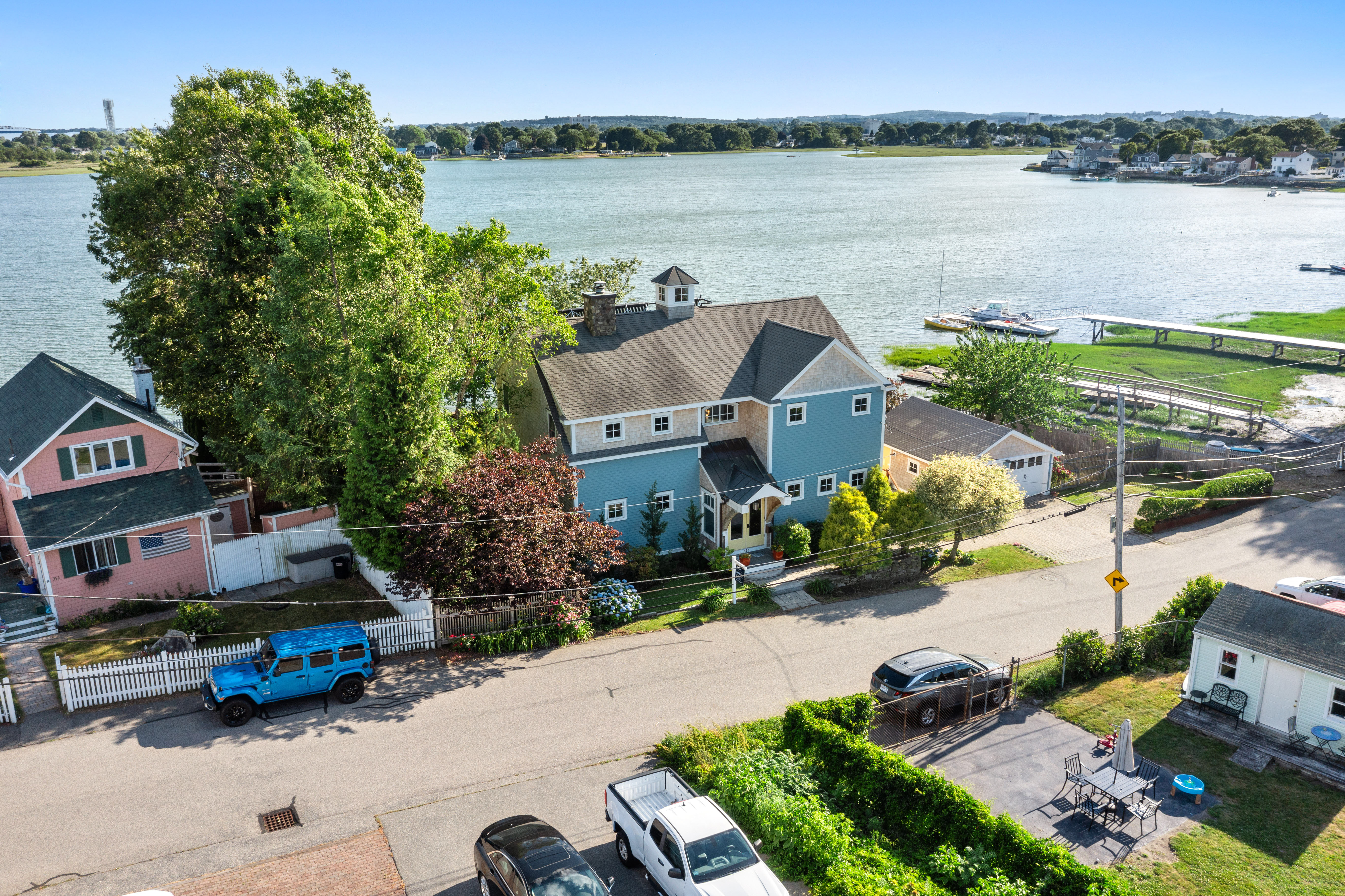
358 Rock Island Road offered something increasingly rare: a true oceanfront setting, sweeping water views and the distinctive coastal lifestyle that makes Houghs Neck so special.
Through thoughtful positioning, professional photography, compelling video and strategic exposure, we presented the property as more than a home. We captured the experience of living on the water.
The result: the fourth-highest residential sale recorded in Houghs Neck.
SOLD FOR $1,695,000
QUINCY’S BEST-KEPT SECRET
Many buyers have yet to discover Quincy's 27 miles of shore and are unaware it is home to some of Greater Boston’s most remarkable oceanfront properties.
That creates a unique challenge when selling a waterfront home in Quincy. The right buyer may not have discovered Quincy yet as a viable option for their dream home.
THE SOLUTION
Reaching that buyer requires casting a wider net. It takes sophisticated marketing, strategic exposure and an agent who knows how to sell not only the home, but the lifestyle and opportunity surrounding it. This includes targeting the right audience through digital advertising and aggressive video marketing campaigns.
Your waterfront home may be one of Quincy’s best-kept secrets. That secret needs to be told. An experienced agent will know how to ensure the right buyers begin their search in a community they hadn't considered prior simply because they were unaware where to look.
Thinking about selling? Let’s discuss the value of your property, and the strategy required to achieve the strongest possible result.
Reaching that buyer requires casting a wider net. It takes sophisticated marketing, strategic exposure, targeted digital advertising and an aggressive video campaign. All led by an agent who knows how to sell not only the home but also the surrounding lifestyle.
Quincy’s waterfront may be one of Greater Boston’s best-kept secrets. Effective marketing ensures that secret reaches the right audience, inspiring buyers to consider a community that previously was not on their radar.
Thinking about selling? Let’s discuss your property's value and the strategy required to achieve the strongest possible result.
When it comes to selling luxury properties in downtown Boston, timing matters. The Spring Market and Fall Market are the two best times of year to list your property, but each season requires a different strategy. Here’s a closer look at what makes each season unique and some tips for positioning your property to attract the best offers.
Spring Market: High Demand, High Competition
The Spring Market is the busiest season for real estate in Boston, particularly in high-end neighborhoods like Back Bay and the South End. Buyer demand peaks during this time, as prospective homeowners are more available and actively searching for new properties. Spring is also when many relocations occur, as employees move to the city at the start of the year and need to secure a home quickly. This influx of buyers creates more competition and can drive up sale prices.
The start of the Spring Market largely depends on the weather. A milder winter can bring an earlier start, often picking up in February, while a colder season may delay it until March or later. Once Spring begins, the market moves fast, with well-prepared listings attracting immediate interest.
To make the most of the Spring Market, early preparation is essential. One great tip for sellers is to plan in advance. Have your agent create marketing materials during the Fall, before the weather changes and while all greenery is still in bloom. This allows you to capture photos and videos of outdoor spaces or views while they’re still visually appealing, giving your property a distinct advantage. Most properties listed in the Spring feature outdoor spaces with grey skies and before Spring has fully arrived.
Creating the marketing in late summer or early fall ensures you don’t miss out on showcasing these valuable aspects. Additionally, having marketing materials ready ahead of time allows you to list as soon as buyer demand increases. Proper planning enables you to time the market effectively, hitting the ground running as soon as the season starts.
Fall Market: Starts Strong, Ends Soft
The Fall Market offers another strong selling season, with peak activity in September and early October. Fall differs from Spring in that it begins at full speed but gradually slows as the holiday season approaches. Buyers returning from summer vacations, including those who missed out on the competitive Spring Market, often resume their search with urgency in the Fall. This dynamic can create high demand initially, resulting in faster sales at strong prices.
For sellers, listing early in the Fall—ideally in September or early October—yields the best results, as buyer interest remains high. Waiting until late October or November may mean facing a smaller pool of buyers as many turn their attention to holiday plans and travel.
In Summary
Both the Spring and Fall Markets present great opportunities for sellers, with Spring typically offering peak demand. With careful preparation and strategic timing, sellers in Back Bay and the South End can attract motivated buyers and maximize sale prices in these key selling seasons. Partnering with an experienced agent ensures you are prepared to capitalize on market timing and achieve the best possible results.
Selling a luxury home in Boston requires more than just listing high-end features—it demands a sophisticated marketing approach that reaches the right buyers and highlights what matters most to them. Unlike traditional real estate, luxury marketing isn’t about casting a wide net; it’s about crafting a compelling narrative that resonates with a highly specific audience.
Understanding the Luxury Buyer Mindset
Luxury buyers prioritize lifestyle and convenience just as much as square footage and finishes. Factors such as direct-access parking, modernized systems like central air and in-unit laundry, and seamless indoor-outdoor flow can be just as critical as high-end materials or architectural details.
A key part of luxury marketing is anticipating what will resonate most with potential buyers and ensuring those aspects are showcased effectively. For example:
Buyers with young children often prioritize homes with direct outdoor access, rather than having to navigate multiple levels to reach green space.
Professionals relocating to the city may value a central and convenient location, especially the less familiar they are with Boston.
Buyers moving from the suburbs may value functionality and ease, as they are used to the conveniences of suburbs. Things like elevators, garage parking, and easy disposal of trash.
An experienced luxury agent understands these nuances and ensures the marketing speaks directly to the right audience.
The Difference Between Standard and Luxury Marketing
One of the biggest mistakes sellers make is assuming that all agents offer the same level of marketing. In the luxury space, the difference between a home that lingers on the market and one that attracts serious buyers quickly often comes down to presentation and exposure.
Presentation: Every detail matters in luxury real estate. Thoughtful staging, refined interior styling, and professional preparation ensure that the home is showcased at its absolute best, addressing common buyer concerns before they arise.
Photography, Video & Floor Plans: Buyers in the luxury market expect high-quality visuals that provide a full sense of the space. This includes professional photography, detailed floor plans, and video tours that highlight key features.
Strategic Positioning: A well-marketed home doesn’t just list features—it presents them in a way that speaks to the ideal buyer. If outdoor space is a major selling point, the marketing should emphasize its accessibility and usability, rather than simply mentioning it as an afterthought.
Digital & Print Exposure: Luxury buyers are often reached through a combination of targeted digital advertising and high-end print media. Social media, curated email campaigns, and exposure in luxury publications all play a role in attracting serious interest.
Addressing Common Buyer Concerns Through Marketing
Luxury buyers often approach city properties with a set of concerns—many of which can be addressed through strong marketing and strategic presentation.
Size & Layout: City homes can feel smaller than their suburban counterparts, making layout efficiency crucial. A well-presented home highlights how space is utilized, ensuring that buyers see the full potential rather than focusing on perceived limitations.
Parking & Outdoor Access: A common hesitation among buyers is whether parking and outdoor space are easily accessible. Effective marketing ensures these features are clearly highlighted, whether through photography, video, or detailed descriptions.
Building & Amenities: Many luxury buyers are unfamiliar with the nuances of city living and may have concerns about building logistics. A strong marketing strategy ensures buyers understand the full lifestyle offering of the property.
The Power of Network & Exposure
Luxury real estate often sells through curated exposure rather than mass-market listings. Many high-end buyers rely on their agents to identify the right properties, rather than actively browsing themselves. This makes industry relationships critical.
An experienced agent knows how to position a listing within the brokerage community, ensuring that the right agents—those working with qualified luxury buyers—are aware of the home’s availability. In addition to direct agent outreach, targeted social media advertising and luxury publications help expand the property’s reach to a broader, yet still exclusive, audience.
Final Thoughts
Selling a luxury home in Boston requires a strategic and highly targeted approach. The best results come from marketing that not only showcases a property’s features but also speaks directly to the lifestyle and priorities of the right buyers. By understanding buyer psychology, leveraging high-end presentation, and ensuring the right exposure, sellers can maximize interest and achieve the strongest outcome.
Behind the Sale: Helping a Longtime South End Owner Sell Without the Stress
After more than 30 years in the same South End condo, the seller was ready to move on—but the idea of prepping the home for sale was overwhelming. The space was filled with decades of belongings, and the thought of hosting open houses, coordinating staging, and handling showings felt like too much. He needed a thoughtful approach—one that respected his situation and still brought in strong buyer interest.
The Challenge: A Full Life, in a Full Home
The condo had fantastic fundamentals: located in the iconic St. Cloud building, it was a rare corner unit with 11 windows and threeexposures, offering incredible natural light and views. Add in elevator access, low condo fees, a common roof deck, and a prime South End location, and this was the kind of home buyers dream of customizing.
But after decades of ownership, the unit needed updating. The seller wasn’t in a position to renovate or clear out the space before listing—and he didn’t want to undergo the stress of a traditional full-scale marketing campaign.
The Strategy: Showcasing the Vision
Instead of focusing on what the space wasn’t, we focused on what it could be. We usedvirtual renovation tools to help buyers visualize the full potential of the unit. Through digital renderings and layout mock-ups, we presented a vision of the home with modern finishes, open living space, and updated kitchens and baths—all without moving a single piece of furniture. We quietly matched the listing with serious, qualified buyers—those who understood the value of location, layout, and light—and were willing to take on the cosmetic updates themselves.
The Result: A Clean, Full-Price Sale
In just two weeks, we secured a full-price offer from a well-informed buyer who appreciated the opportunity to make the space their own.
The seller didn’t have to rush to declutter or renovate. The buyer saw the long-term value. It was a win on both sides.
What This Sale Shows
Not every home needs to be “market ready.” With the right strategy, you can sell successfully even if your home isn’t staged or updated.
Buyers can be highly motivated by potential. Virtual renovation helped bridge the gap between current condition and future vision.
A personalized approach matters. Real estate isn’t one-size-fits-all. The best results come when the strategy fits the situation—not the other way around.
If you're feeling stuck about how to start the selling process, especially if your home feels like “too much to deal with,” know that there are options—and creative solutions that can work in your favor. View the video below with the before and after photos included!
When luxury properties in Back Bay and South End hit
the market, they often receive multiple offers when properly priced
and marketed. For sellers, this can be both exciting and
overwhelming. Many sellers are afraid of choosing the wrong
offer. Here are some strategies when navigating multiple
offers to ensure you choose the strongest [...]
Staging is a game-changer for sellers, especially in the luxury
market. It’s not just about making your home look
beautiful—it’s about addressing buyer concerns,
showcasing functionality, and helping buyers see the full potential
of the space. Here’s how to stage your Boston property to
attract discerning [...]
Selling a luxury property in Boston’s competitive real estate market can be both exciting and daunting. One of the most critical steps in this process is determining the right price for your home. Here’s what sellers should know about pricing before listing their home.
Developing a Tailored Pricing Strategy
Effective communication about pricing strategies is key to a successful sale. An experienced professional will provide sellers with the data points for their pricing analysis. This allows sellers transparency into the pricing method used by their agent, and the rationale for their agent’s pricing suggestion.
This collaborative approach encourages sellers to engage in the process, and have input in the pricing strategy for their property. During the consultation, the agent will give pricing options based on the goals of the seller. Understanding the seller’s motivation, and their desired goals, will determine the best pricing strategy to utilize. Here are several questions an agent may have for the owner:
What aspects of the sale are most important to you?
Is your priority to sell quickly, the highest value, or both?
Are you willing to be patient for the right price?
Do you have any special requests you need the buyer to grant?
Such as a desired closing date? Or the ability to stay in the property after closing?
Pricing Strategies
The Bidding War Number
This is the listing price that will create multiple offers. Often resulting in over-ask offers, and sometimes waived contingencies. It often is a lower number to spark activity, but also a number that makes sellers nervous they are under pricing their home. When receiving multiple offers, the market typically corrects and offers come in over-ask. The competition created typically gives sellers the leverage, and the ability to dictate terms, or make special requests.
Pricing At Value
This is the number that accurately reflects value. This is the listing price that creates more balanced negotiation between buyer and seller, and usually results with just one offer. If there are multiple offers, offers are usually around listing price, and often still have contingencies. It does not create the same intensity as “the bidding war” number.” It can still generate multiple offers, but the competitive aspect is typically not as intense.
Premium Pricing
This is the listing price that is pushing the property’s value, but could require a price reduction. Sellers who value price above all often choose this strategy. Choosing to try a higher number, but also aware they may need to reduce price at a later date. This strategy is also appropriate for properties with a unique value proposition. This would be something buyers will pay a premium for, such as a view, parking, or a highly desired location. The risk of this pricing strategy is overpricing the home, or losing leverage in negotiations against a buyer, as it reduces competition. While the risk can be higher, so can the reward when done effectively.
The Importance of a Comprehensive Market Analysis
Before setting a price, an experienced agent conducts a detailed market analysis. This process starts with both a macro overview of the neighborhood, which helps sellers understand how the market is performing. By examining broader trends in the area, sellers gain valuable insights into their local neighborhood market, and the most their home could demand for the neighborhood.
Once the big picture is established, the agent shifts focus to a micro analysis of the seller’s specific property. This involves looking at recent sales within the building, or immediately nearby. Using these sale comparables to come up with a price specific to the seller’s property, based on what the unit itself offers, and how it compares to the recently sold properties.
Understanding competition is equally important. A skilled agent will help sellers identify similar properties and highlight features that may affect buyer preferences. For example, if a penthouse unit lacks an elevator, the agent will explain how pricing it similarly to units in buildings with elevators hurts the seller. By illustrating the options buyers have at different price points, it ensures that sellers are considering all aspects of their property’s appeal. Especially when stacked up against competitors.
Building Trust Through Open Communication
Trust is a cornerstone of the selling process, and a true professional understands the importance of fostering this trust through open communication. Before signing a listing agreement, an experienced agent will discuss various pricing strategies and market realities with the seller. Ensuring both parties have a comprehensive understanding of the market, and pricing options available. This collaborative dialogue is essential, and allows sellers to express their perceptions of their home’s value. It also allows the agent to provide a candid assessment grounded in current market conditions.
A seller cannot make the right decision for themselves if they are not given the right information. The seller and the agent can establish a productive, honest, and transparent working relationship by discussing various strategies and potential outcomes in advance. All of this leads to a smoother selling experience.
About the Author | Ryan J. Glass
Ryan J. Glass is a top-producing Boston luxury real estate agent with Gibson Sotheby's International Realty, specializing in the South End, Back Bay, and Beacon Hill neighborhoods. An experienced listing agent and buyer representative, Ryan specializes in luxury condominiums, historic brownstones, and high-end residential properties throughout Boston. Recognized among the top 1.5% of real estate professionals nationwide by RealTrends and named to the National Association of REALTORS® 30 Under 30, Ryan brings extensive expertise in property valuation, strategic pricing, luxury real estate marketing, and negotiations. His market insights help Boston homeowners, buyers, and sellers make informed real estate decisions.
Boston is a high density market that provides buyers multiple options to purchase, and powerful market comparisons. There is an abundance of sale comparables for buyers to review. This makes it easy for buyers to spot an overpriced home. Overpricing leads to an extended time on the market, reduced activity, and results in a lower sales price. A seller should set a competitive price, based on recent sales within their building or neighborhood. An experienced agent will tap into off-market sales and pending sales data not yet available to the public. This ensures pricing aligns with real-time market shifts. For instance, comps from spring—a busier time of year—may not be an accurate reflection for a fall or winter listing, when buyer demand slows.
2. Overlooking Small-Scale Staging
Staging has a major impact on the appeal of a unit, especially in the city where square footage is limited. Proper staging can make a space feel larger and more functional. Many buyers struggle to visualize layouts in smaller spaces, making thoughtful staging essential. Small investments like fresh paint, decluttering, and strategic furniture arrangement can transform the space. While sellers often think large renovations are necessary, it’s usually the smaller sweat equity projects that yield the highest return on investment. Experienced agents know how to present the space optimally, preparing a layout that photographs well and demonstrates the property’s full potential.
3. Not Emphasizing Building and Neighborhood Perks
For urban buyers, location and amenities are just as important as the home itself. Features like elevators, parking, or roof decks can significantly boost a property’s appeal, yet they are often overlooked in marketing. It’s surprising how many inexperienced agents fail to highlight these key features in the marketing, even when they are items luxury buyers will pay a premium for.
For example, high demand areas like the South End’s Golden Triangle, or properties in Back Bay with easy access to the Public Gardens will draw strong interest. Regardless of the condition of the property. Location remains the top rule in real estate, and many buyers are willing to overlook the negatives of a property to secure a spot in a highly desired area.
An expert agent knows how to incorporate these factors into a pricing and marketing strategy. By effectively showcasing key features of a home, a building’s amenities, or an area's desirability, sellers can achieve a premium price compared to other properties.
4. Lacking Transparency with Buyers
Transparency with buyers is critical. Sellers often try to withhold defects on a property, or issues with the condo association. This could be anything from condo regulations, association fee increases, or assessments. Luxury buyers are detailed consumers, and properties being purchased go through an extensive review process by their agent and real estate attorney. The truth is always revealed, and trying to withhold information from a buyer is a costly mistake. It results with a failed transaction for the seller, and losing critical time on the open market. Buyers appreciate straightforward information. Buyers who feel misled often question the integrity of the sale and walk away. Clear communication ensures buyers feel confident in their decision. This reduces the risk of a failed transaction, and ensures a smooth sale.
5. Not Hiring the Right Agent
One of the costliest mistakes a seller can make is not hiring an expert agent familiar with the complexities of the local market. In competitive neighborhoods like Back Bay and South End, a knowledgeable agent with a track record of success will understand the intricacies of pricing, staging, and marketing for city living. Not all agents are created equal—an experienced agent will know how to leverage off-market insights, emphasize key property features, and negotiate strategically. Alll of which can make a considerable difference in achieving the highest sales price possible.
Choosing the right agent is not just a matter of convenience; it can determine the success and profitability of your sale. Working with an experienced professional is critical for a smooth and successful sale.
About the Author | Ryan J. Glass
Ryan J. Glass is a top-producing Boston luxury real estate agent with Gibson Sotheby's International Realty, specializing in the South End, Back Bay, and Beacon Hill neighborhoods. An experienced listing agent and buyer representative, Ryan specializes in luxury condominiums, historic brownstones, and high-end residential properties throughout Boston. Recognized among the top 1.5% of real estate professionals nationwide by RealTrends and named to the National Association of REALTORS® 30 Under 30, Ryan brings extensive expertise in property valuation, strategic pricing, luxury real estate marketing, and negotiations. His market insights help Boston homeowners, buyers, and sellers make informed real estate decisions.


 SOLD! 358 ROCK ISLAND ROAD





Socials