
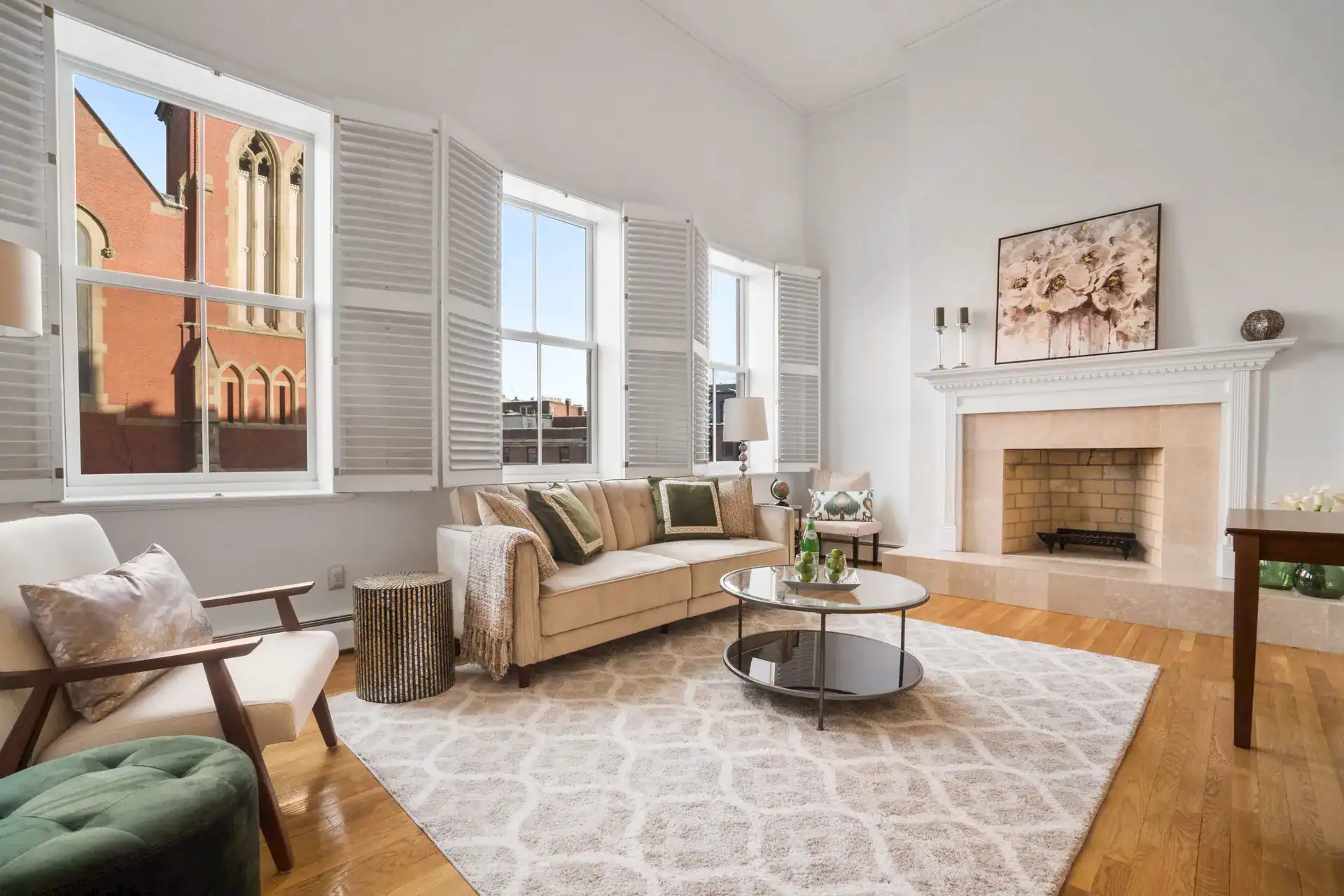
Boston is a global city that attracts people from around the world for its opportunities in education, healthcare, pharmaceuticals, technology, and finance. This diverse economy helps support long-term housing demand and makes Boston an attractive real estate market for homebuyers and investors.
For buyers considering purchasing a condominium or residential property in Boston neighborhoods such as the South End, Back Bay, and Beacon Hill, changes in market conditions can create valuable opportunities. Watch my "Boston by the Numbers" video to learn more about Boston's historical real estate performance during periods of economic uncertainty.
During a softer real estate market, buyers should recognize the opportunities that come with increased housing inventory, reduced pressure to purchase, and stronger negotiating power. These conditions can make it an especially attractive time to buy Boston real estate.
1. More Boston Homes and Condos for Sale
Rising mortgage interest rates have contributed to a decrease in buyer demand and a slight increase in available housing inventory. This has created an opportunity for Boston homebuyers to have more choices during their property search.
In neighborhoods such as the South End and Back Bay, where buyers often compete for desirable luxury condominiums, historic brownstones, and well-located residential properties, an increase in available listings can provide more opportunities to compare properties and evaluate value.
As bidding wars decline, buyers may have the opportunity to submit offers without competing against multiple other purchasers. This can create a more favorable environment for buyers who previously struggled to secure a property in Boston's competitive real estate market.
2. Less Pressure When Buying Boston Real Estate
Even more luxurious, buyers in a softer market have the ability to take their time. This is a significant change from the previous market, when buyers frequently attended an open house over the weekend and were expected to submit an offer by a Monday or Tuesday deadline.
With less pressure to make immediate decisions, buyers have more time to evaluate a property's condition, review comparable sales, understand condominium fees, and consider whether the asking price reflects fair market value.
This can be particularly valuable when purchasing a South End brownstone condominium, a Back Bay luxury condo, or a property in a historic Boston building, where factors such as building condition, layout, outdoor space, parking, and association finances can significantly influence long-term value.
3. Less Competition and Stronger Buyer Negotiating Power
Having fewer buyers actively searching for homes has reduced some of the competition traditionally faced by Boston purchasers, including international buyers, cash investors, and professionals relocating to Boston for employment.
This decrease in buyer demand can provide purchasers with stronger leverage when negotiating with sellers. Rather than competing against multiple offers, buyers may have greater opportunities to negotiate purchase price, contingencies, closing dates, and other important terms.
For buyers exploring luxury real estate in Boston's South End, Back Bay, and Beacon Hill neighborhoods, understanding the local market and a seller's circumstances can be especially important. An experienced Boston real estate agent can help identify opportunities, evaluate comparable property sales, and develop a negotiation strategy based on current market conditions.
Why a Softer Boston Housing Market Can Create Buying Opportunities
While Boston remains a desirable city with strong long-term housing demand, real estate markets naturally experience periods of increased and decreased competition. Buyers who remain active during slower market conditions may benefit from greater inventory, more time to make informed decisions, and improved negotiating leverage.
Whether purchasing a first condominium, relocating to Boston, or exploring luxury properties in the South End or Back Bay, understanding the relationship between housing inventory, buyer competition, and negotiation strategy can help buyers recognize opportunities that may not exist during a more competitive market.
About the Author | Ryan J. Glass
Ryan J. Glass is a top-producing Boston luxury real estate agent with Gibson Sotheby's International Realty, specializing in the South End, Back Bay, and Beacon Hill neighborhoods. An experienced listing agent and buyer representative, Ryan specializes in luxury condominiums, historic brownstones, and high-end residential properties throughout Boston. Recognized among the top 1.5% of real estate professionals nationwide by RealTrends and named to the National Association of REALTORS® 30 Under 30, Ryan brings extensive expertise in property valuation, strategic pricing, luxury real estate marketing, and negotiations. His market insights help Boston homeowners, buyers, and sellers make informed real estate decisions.
Socials